Table of Content
Homeowners often come into our showroom hoping to install a matching hardwood floor to something already existing inside their homes. That is very difficult at best because no matter how close you get, the two woods are cut from different materials, were laid at different times, and ultimately take on a different color. No matter how slight it looks when you lay a plank or two together and attempt to match, once it’s in place in your home, the difference becomes even more apparent. Adjoining two types of wood floors is nothing complicated in separated areas or rooms. Simply use a T-molding at the threshold of the doors – it is a neat and easy solution. If you prefer only wooden materials, then use a straight wooden border between the two.

Flooring types with a waterproof non-porous surface include. Always include the design, paint, and furniture of the room in planning. Avoid using it in high traffic and areas that often get wet, like mudrooms, laundry rooms, and bathrooms.
Coordinating Different Flooring Options Throughout Your Home
Although tile can be blended with other flooring materials mixing various types of tile offers many unique benefits. Laminate flooring is designed to resemble wood flooring. The first choice for hard surface flooring is hardwood flooring. For example, hardwood flooring is one of the most popular options for a wood floor, but not necessarily as a flooring option to be covered with carpet .
Or you can change things up and choose wood grains according to your room location and size. Large rooms, or rooms with lots of natural light, do well with darker flooring. If you choose something like mahogany or Brazilian walnut, it can provide a contemporary, sophisticated feel. If you choose to use different wood throughout your home the natural dividing line is to separate out individual rooms.
Mixing Different Types Of Flooring In Your Home Things To Consider
The key is knowing the guidelines to follow in order to get the look you want without incorporating too many different combinations, which can ruin the effect. These are just some of the virtually endless possibilities for giving your floors a truly custom look and feel. Contact a Carlisle “certified” luxury floor designer today to see how different flooring combinations can set your home apart as a masterpiece of your personal style. Choose from our most popular finishes in our Collections, customize a Collection floor, or use our selector to browse Collection floors by texture or color.

If it’s important to you to get the same look throughout your home, consider sanding down your existing hardwood, and refinishing it all together to make it the same. That means you can install unfinished hardwood planks in the rooms currently without, and stain them as one entire unit once it’s installed. The good thing about the times we live in is it’s easier than ever to get ideas. Head to Google or Pinterest and type in “wood transitions.” You’ll find a wealth of ideas at your fingertips.
Carefully Choose Your Hues
I'm big on balance, so if you can figure out a way to do something like this, I think you can get a nice--and a little unusual. When we redid our basement/family room floors, we went from a mixture of carpet, vinyl, and ceramic to primarily laminate, with new ceramic picked to blend with the laminate. The new flooring, though inexpensive, has brought a sense of harmony and spaciousness to formerly disjointed rooms. The main living areas of an open-plan home can have flooring changes handled in a number of ways as long as they make sense and don't make the room feel chopped up. In this home, there is an angle in the room with carpeting for the living area and stone for the dining area. The stone and carpet being very close in color minimizes the visual impact of the flooring change so the room still flows uninterrupted.
There’s not anything wrong with blending your particular flooring ideas to deliver out the finest of your home. The problem comes in whilst the DIYer forgets to mix’n’match specific flooring in harmony, and the result’s rather disappointing. Flooring is a imperative portion of interior design.
How to Mix Wood Flooring Styles & Colors To Create a Custom Look
One of the reasons these examples are successful is because they have restricted their choices to just two types of flooring within view at any time. Too many types of flooring all seen at the same time makes spaces feel smaller. Letting flooring flow from room to room when possible tends to make a space feel larger. Elevation changes are great places to change the flooring and define areas without dividing them.
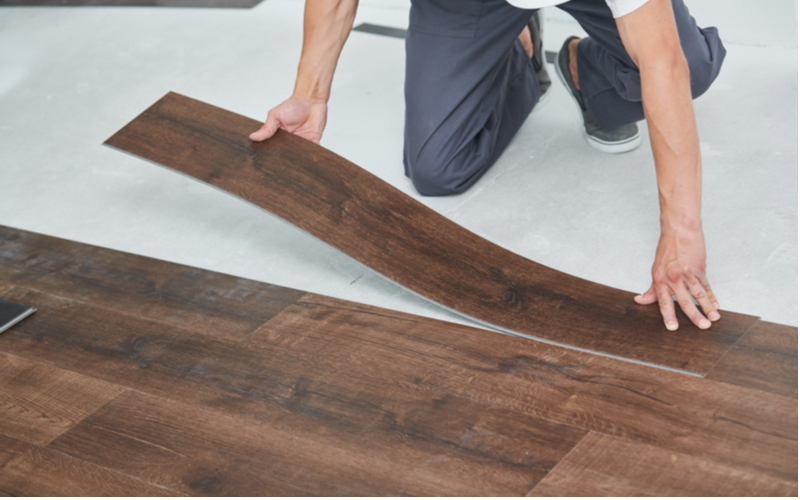
Most people love warm, comfy bedrooms laced with warm carpets right under the feet. Considering that there isn’t any spillage predicted in bedrooms, tremendous carpets can live on years on your bedroom. Adding a mix of tiles and carpets brings durability, comfort, and little maintenance. Can’t discontinue thinking about bringing the outdoors indoors? Place a transition metal strip at your desired transition point, say, among the kitchen and the living room for darker wood and tiles.
Organic stone ought to do the trick in case you desire whatever more down-to-earth. Sometimes you just have to pick a spot and run a line This transition lines up with the wall, but not the island. Luxury vinyl planks and tiles and sheet vinyl are other trending bedroom flooring types you could look into. You could also explore marble and decorative looks.
Tile carpet and hardwood all mix well with each other as well. Is it possible to match different flooring in the house? Coordinate with your decorator which types of flooring complement one another. Highly resilient,rubber flooringis becoming an increasingly popular option for homes as it's so inexpensive and can make a cool practical addition to play spaces and more.
'Our clients in hot climates love the cool feel of tile under foot. Unfortunately, tile is permanent, so it is expensive to change as your taste or your future buyer's taste changes.' Adds Leslie. Laminate flooring is made from layers of high density fiberboard with a photographic image laminated to the surface below a tough, wear-resistant coating. Cut away the surplus fabric and ensure that the carpet falls in line with the edge of the tiles. For an expanded transition into yet another room, pull the edge of your carpet to the sting of the 1st tile.





No comments:
Post a Comment